Sewer Odors After Rain in Brooklyn
Learn why Brooklyn homes smell like sewage after heavy rain. Discover causes, warning signs, local NYC sewer risks, and professional fixes

Why Do Brooklyn Homes Have Sewer Odours After Heavy Rain?
You step into your Brooklyn brownstone, basement apartment, or neighborhood storefront after a heavy summer downpour or a sustained autumn rainstorm, and you are immediately hit with an unmistakable, foul stench: raw sewage gas. It is a sharp, sulfurous, egg-like odor floating up from your basement floor drain, bathroom sink, or ground-floor shower.
If this scenario sounds familiar, you are far from alone. Thousands of property owners across Park Slope, Williamsburg, Bedford-Stuyvesant, Crown Heights, Bushwick, and Bay Ridge experience this exact problem every time a storm sweeps across New York City.
Understanding Why Do Brooklyn Homes Have Sewer Odours After Heavy Rain? is the first step toward fixing the underlying plumbing vulnerabilities, protecting your indoor air quality, and keeping dangerous raw sewage from backing up into your living spaces.
What Is the Sewer Odor Problem After Rain?
When heavy rain falls across Brooklyn, vast volumes of stormwater pour off rooftops, streets, sidewalks, and parking lots. In most parts of New York City, this rainwater drains into a municipal system called a Combined Sewer System (CSS)—where rainwater runoff and domestic raw sewage from toilets, showers, and sinks share the exact same underground pipes.
When severe storms strike, these combined sewer mains fill beyond capacity. As millions of gallons of water rush through municipal pipes, air and sewer gases inside the street mains are compressed. Finding no room inside the main trunk line, this high-pressure sewer gas pushes backward into the branch lines connecting your house to the city sewer. If your internal plumbing traps, vents, or check valves are compromised, foul sewer gases (including hydrogen sulfide and methane) are forced straight up through your drains into your living space.
Common Situations Where Rain-Induced Odors Occur
-
Garden-Level and Basement Apartments: Units situated closest to the elevation level of the street sewer main experience the highest pressure pushback during rainstorms.
-
Historic Brownstones and Rowhouses: Multi-story homes built before modern backwater valves or proper soil stack venting became standard plumbing codes.
-
Commercial Spaces with Floor Drains: Restaurants, bodegas, and retail basements where floor traps dry out between floor washings or overflow when street lines surcharge.
Key Symptoms to Watch For
The primary symptom is a noticeable sulfur, rotten egg, or decay odor that manifests during or immediately following heavy rain. You may also hear gurgling sounds coming from toilets and sinks, notice slow drainage across lower-level fixtures, or see water bubbling upward in basement floor drains during a downpour.
Why Does This Plumbing Problem Happen in Brooklyn Homes?
Solving rain-related sewer odors requires understanding the unique convergence of New York City’s infrastructure, historical property designs, and individual plumbing system dynamics.
1. New York City’s Combined Sewer Infrastructure
Unlike modern suburban areas that separate rainwater runoff from sanitary waste lines, over 60% of NYC operates on a century-old combined sewer network. During heavy rain, these combined pipes hit maximum capacity within minutes. When the street main surcharges, sewer gas—and sometimes raw liquid sewage—has nowhere to go except back toward private service connections.
2. Dried Out or Failed P-Traps and House Traps
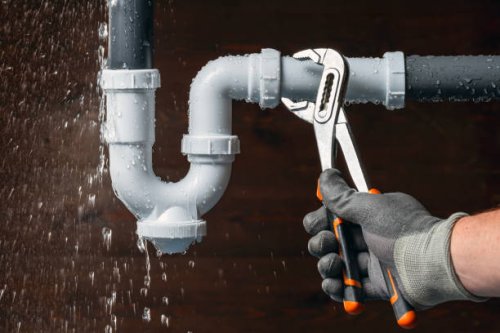
Every plumbing fixture features a P-trap—a U-shaped pipe designed to hold a small seal of standing water. This water barrier acts as an airtight seal that prevents sewer gases from rising into your room. During intense rain, atmospheric pressure changes and air displacement in the main sewer line can pull a siphon effect on your home's pipes, literally sucking the water out of your P-traps and leaving an open gateway for odor.
                  NORMAL P-TRAP                       DRY / SIPHONED P-TRAP
             (Water Seals Sewer Gas)                  (Gas Enters the Home)

              Drain Pipe                             Drain Pipe
                  │                                      │
                  │  Odor Blocked                        │  ODOR PASSES!
                  ▼                                      ▼
             ┌───┐ │ ┌───┐                          ┌───┐   ┌───┐
             │   │ │ │   │                          │   │   │   │
             │   └───┘   │                          │   └───┘   │
             │  [WATER]  │  ◄── Water Barrier       │   [EMPTY] │  ◄── Siphoned/Dry
             └───────────┘                          └───────────┘
3. Clogged or Inadequately Sized Plumbing Vents
Your home’s plumbing network relies on vertical vent stacks that exit through your roof. These vents balance air pressure within your drainage lines and vent sewer gases safely into the open air above your home. If a roof vent is clogged with bird nests, leaves, or snow, or if it was illegally capped during a past renovation, compressed air during a rainstorm cannot escape through the roof and gets forced into your living quarters instead.
4. Cracked or Aging Cast-Iron Building Sewers
Many classic Brooklyn homes still rely on original cast-iron sewer lateral pipes beneath their foundations. Over decades, cast iron suffers from internal tuberculation, rust flakes, and bottom-channel cracking. Heavy rainwater saturates the soil surrounding your foundation, creating external soil pressure shifts that allow sewer gas to escape through hairline pipe fractures directly into sub-slab spaces.
5. Tree Root Intrusion in Sewer Lines
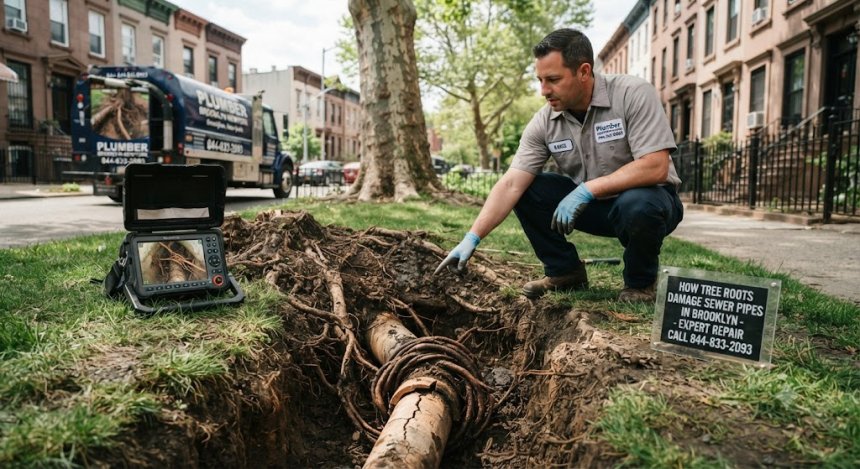
Brooklyn’s iconic tree-lined streets feature mature oak, maple, and plane trees whose root systems aggressively seek moisture. Tree roots penetrate small joints or cracks in underground sewer laterals. During dry periods, wastewater squeezes past roots; during heavy rain, high volumes of water hit these root dams, creating localized backups and pushing gases back toward your home.
6. Missing or Defective House Trap Vent Caps
Older Brooklyn buildings feature a main "house trap" located in the basement near the front wall. This trap typically has two cleanout plugs or vent caps (a street-side vent and a house-side vent). If these brass or plastic caps are missing, cracked, or improperly sealed, raw sewer gases rising from the street main during heavy rains leak directly into your cellar or basement.
Warning Signs You Should Never Ignore
Ignoring sewer gas during rainy weather is a gamble with both your health and your property value. Sewer gas contains methane, hydrogen sulfide, ammonia, and carbon monoxide.
┌─────────────────────────────────────────────────────────────────────────────┐
│                          WARNING SIGNS CHECKLIST                            │
├──────────────────────┬──────────────────────────────────────────────────────┤
│ Sulfurous/Egg Smell  │ Indicates hydrogen sulfide escaping into indoor air  │
│ Gurgling Fixtures    │ Toilet or sink bubbling during rain shows air displacement│
│ Slow Basement Drains │ Points to partial main line blockage or street surcharge│
│ Damp Basement Walls  │ Moisture migration caused by cracked foundation sewer lines│
│ Recurring Mold Growth│ Airborne moisture and organic gas feeding bacterial spores│
└──────────────────────┴──────────────────────────────────────────────────────┘
1. Sulfurous or Rotten Egg Odors During Rain
Small concentrations of hydrogen sulfide cause that classic rotten egg smell. Long-term exposure can cause headaches, nausea, dizziness, eye irritation, and fatigue.
2. Gurgling or Bubbling Toilets and Sinks
If your toilet water sloshes, bubbles, or gurgles while it rains outside, air pressure inside your main line is being violently displaced. This is a clear warning that a physical sewage backup could be next.
3. Damp Concrete, Efflorescence, or Mold Near Floor Drains
White powdery deposits (efflorescence) on basement concrete or recurring black mold around floor drains indicates that moisture laden with sewer gas is seeping up through micro-cracks around your drainage fixtures.
4. Frequent Drain Flies (Moth Flies)
Drain flies breed in the organic sludge that lines unsealed sewer pipes and traps. If you notice tiny moth-like flies hovering near floor drains after rainy days, your trap seal is broken or dried out.
Common Plumbing Problems Related to Rainy Day Odors
When a home experiences rain-induced sewer odors, it is rarely an isolated issue. It often points to broader vulnerabilities within the building’s infrastructure:
-
Main Sewer Line Backups: Sewage flowing in reverse through basement floor drains, showers, or utility sinks during torrential rain.
-
Corroded House Traps: Original 100-year-old cast-iron traps rusting out beneath cellar floors, allowing sewer gas to bypass internal barriers.
-
Foundation Wall Leaks: Rainwater carrying raw sewage runoff through compromised brownstone foundation walls.
-
Roof Drain and Sanitary Line Interconnections: Illegal historical connections where roof gutter leaders dump rainwater directly into internal sanitary stacks, overwhelming domestic pipes.
Step-by-Step Professional Repair Process
When you call a licensed plumber to resolve rain-related sewer odors, they follow a systematic diagnostic and repair methodology:
┌────────────────────────────────────────────────────────────────────────────┐
│                    PROFESSIONAL SEWER ODOR DIAGNOSIS                       │
└─────────────────────────────────────┬──────────────────────────────────────┘
                                      │
 ┌────────────────────────────────────┼────────────────────────────────────┐
 │                                    │                                    │
 ▼                                    ▼                                    ▼
STEP 1: CAMERA SCOPE         STEP 2: SMOKE TESTING        STEP 3: TRAP & VENT DIAGNOSIS
Inspect main lateral for     Inject non-toxic smoke       Verify roof stack clear &
cracks, roots & bellies      to pinpoint hidden leaks     trap seal integrity
 │                                    │                                    │
 ├────────────────────────────────────┴────────────────────────────────────┘
 │
 ▼
STEP 4: BACKWATER VALVE / TRAP REPAIR
Install automatic backwater valves or replace corroded house traps
 │
 ▼
STEP 5: COMPREHENSIVE TESTING & CLEANUP
Re-test pressure seals and disinfect impacted areas
Step 1: Video Camera Inspection
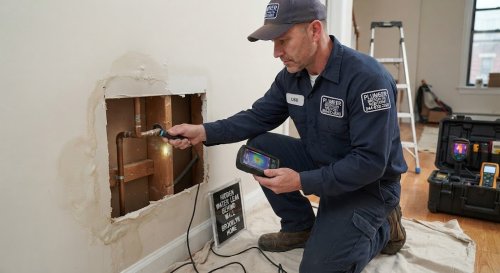
A licensed technician feeds a self-leveling HD fiber-optic camera down your main cleanout or house trap. This provides real-time video of the line all the way to the municipal sewer connection under the street, identifying cracks, bellies, offset joints, and root intrusions.
Step 2: Smoke Testing or Pressure Testing
If the source of the odor remains elusive, plumbers perform a non-toxic sewer smoke test. Pressurized smoke is blown into the drain stack; wherever smoke leaks out (such as behind a bathroom wall or under a flooring plate), a hidden pipe break or unsealed joint is exposed.
Step 3: Evaluating Roof Vents and House Traps
The plumber inspects your roof stack termination point to clear obstructions and examines the basement house trap to ensure cleanout plugs are airtight and intact.
Step 4: Installing Backflow Prevention or Repairing Sewer Lines
Depending on the diagnosis, the technician may install a heavy-duty automatic backwater valve, perform hydro jetting to clear main line blockages, or replace damaged sections of pipe.
Step 5: Final Testing and System Disinfection
After repairs are executed, the system is flood-tested and checked with gas-detection equipment to confirm that sewer gases are 100% contained.
Can You Fix Sewer Odors Yourself? (DIY vs. Professional Scope)
While long-term solutions require licensed expertise, there are safe temporary steps property owners can take during a storm.
┌─────────────────────────────────────────────────────────────────────────────┐
│                           DIY VS. PROFESSIONAL SCOPE                        │
├──────────────────────────────────────┬──────────────────────────────────────┤
│ Safe DIY Steps                       │ Professional Plumber Required        │
├──────────────────────────────────────┼──────────────────────────────────────┤
│ • Pouring water into dry floor traps │ • Installing automatic backwater valves│
│ • Replacing loose rubber trap plugs  │ • Excavating & replacing main traps │
│ • Cleaning debris around roof vents  │ • Clearing deep main line tree roots │
│ • Sealing loose toilet base caulking │ • Conducting sewer camera/smoke tests │
└──────────────────────────────────────┴──────────────────────────────────────┘
Safe DIY Temporary Measures
-
Refill Dried Floor Traps: Pour 1/2 gallon of clean water followed by 1/2 cup of mineral oil down seldom-used floor drains. The water fills the trap, while the mineral oil forms a top film that slows down water evaporation.
-
Inspect House Trap Plugs: Check your basement house trap. If the brass or rubber expansion plugs are loose, tighten them securely to re-establish an airtight seal.
-
Clear Surface Drain Screens: Remove surface hair, debris, and lint from shower strainers and utility sink drains.
When DIY Fixes Become Dangerous
Never attempt to open main cleanout plugs during an active storm or heavy rain event. If the municipal main under the street is surcharged, opening a basement cleanout plug can release a high-pressure geyser of raw sewage directly into your basement. Additionally, pouring harsh chemical drain openers down drains will not fix rain-induced sewer gas issues—it will only damage aging cast-iron pipes and create chemical hazard risks for attending plumbers.
Specialized Tools Professionals Use
Modern sewer diagnostics rely on advanced technology to solve complex urban plumbing problems without unnecessary wall demolition:
-
Fiber-Optic Sewer Cameras: High-definition waterproof camera heads with radio transmitters (sondes) that allow technicians to pinpoint the exact location and depth of pipe damage beneath concrete slabs.
-
Hydro Jetting Systems: High-pressure water equipment (operating up to 4,000 PSI) that scrubs grease, heavy sludge, and root masses from sewer walls without damaging structural pipe walls.
-
Electronic Gas Detectors: Sensitive meters capable of detecting trace concentrations of hydrogen sulfide and combustible methane gas inside residential air columns.
-
Sewer Smoke Machines: Professional equipment that generates thick, non-toxic diagnostic fog to visually identify micro-cracks in walls, ceilings, and concealed vent lines.
How Long Does the Repair Usually Take?
Repair timelines vary depending on whether the issue stems from an isolated trap seal or a structural sewer lateral failure:
-
Simple Trap Refilling or Plug Replacement: 30 to 60 minutes.
-
Hydro Jetting and Roof Vent Clearing: 2 to 4 hours.
-
Backwater Valve Installation: 1 day (including minor concrete floor breaking and resealing).
-
Complete Main Sewer Line or House Trap Replacement: 1 to 3 days (depending on street excavation and NYC DOT permitting requirements).
Cost Factors Explained
Plumbing repair costs vary depending on the severity of the problem, accessibility, materials required, emergency service, property type, and local labor rates.
┌────────────────────────────────────────────────────────────────────────────┐
│                        COST DRIVERS FOR SEWER REPAIRS                      │
├──────────────────────────────┬─────────────────────────────────────────────┤
│ Diagnostic Method            │ Standard visual check vs. HD camera/smoke test│
│ Location & Accessibility     │ Open basement vs. buried under concrete     │
│ Repair Complexity            │ Spot trap repair vs. full main line replacement│
│ Permitting & Inspections     │ NYC DOB / DEP permits for street excavation │
│ Emergency Scheduling         │ Regular business hours vs. storm emergency  │
└──────────────────────────────┴─────────────────────────────────────────────┘
When evaluating pricing, remember that investing in proper backwater protection and trap maintenance is vastly less expensive than undergoing major flood remediation and structural mold removal after a sewer backup.
Hidden Truths Homeowners Should Know
-
New York City Is Not Liable for Sewer Backups Caused by Storms: Municipalities are generally protected from liability when extreme rainfall exceeds system capacity. Property owners are responsible for protecting their own buildings with backwater valves.
-
Standard Homeowners Insurance Excludes Sewer Backups: Most standard property insurance policies do not cover water or sewage backing up through drains unless you specifically purchase an optional "Sewer and Drain Backup Rider."
-
Cheap Temporary Plugs Can Fail Under Pressure: Plastic or push-in expansion plugs placed on main sewer cleanouts can blow out during high-pressure storm surcharges if not mechanically rated and secured.
-
Tree Roots Will Return Until the Pipe Is Sealed: Hydro jetting clears tree roots temporarily, but unless the cracked pipe is repaired, relined, or replaced, roots will grow back within 6 to 12 months.
-
Sewage Gas Leaves Invisible Micro-Contaminants: Sewer gas carries microscopic airborne bacteria and viral particles that settle on porous basement surfaces, carpet fibers, and stored boxes long after the odor dissipates.
15 Common Mistakes Homeowners Make
-
Pouring Chemical Drain Cleaners Down Smelly Drains: Chemicals fail to fix pressure-driven gas issues and corrode old metal pipes.
-
Ignoring Gurgling Toilets During Rainstorms: Treating gurgling sounds as a minor quirk rather than a warning sign of an impending sewer backup.
-
Removing or Capping Roof Vent Stacks During Renovations: Capping roof vents forces trapped gases to vent out of indoor sink drains.
-
Neglecting Unused Basement Floor Drains: Allowing P-traps in utility rooms or cellar floors to dry out completely.
-
Using Duct Tape or Foam to Seal Leaking Cleanouts: Tape cannot withstand sewer gas pressure or moisture degradation.
-
Flushing Wipes and Hygiene Products: Creating internal line snags that catch debris during heavy flow conditions.
-
Failing to Install a Main Backwater Valve: Leaving low-lying garden or basement apartments completely unprotected against city sewer surcharges.
-
Hiring Unlicensed Handymen for Sewer Repairs: Non-licensed work often fails to meet NYC plumbing codes and risks heavy DOB fines.
-
Pouring Grease and Cooking Oil Down Kitchen Sinks: Grease coats pipe walls, narrowing internal diameter and increasing backup risk during rains.
-
Covering Up House Traps Under Permanent Flooring: Sealing cellar floor traps beneath tile or hardwood eliminates essential maintenance access.
-
Waiting Until a Flood Occurs to Call a Plumber: Delaying action until raw sewage enters the living space.
-
Assuming Rain Odors Are Normal for Old Houses: Believing foul smells are an unavoidable feature of living in a brownstone.
-
Placing Heavy Storage Crates Over Basement Floor Drains: Blocking access and preventing visual monitoring of floor drains.
-
Disconnecting Sump Pump Check Valves: Allowing pumped storm water to cycle back into basement drainage systems.
-
Over-Tightening Brass Trap Caps: Cracking aged cast-iron trap hubs by forcing overtightened threaded plugs.
20 Practical Maintenance Tips for Brooklyn Residents
Seasonal Advice
-
Late Summer/Early Fall Prep: Inspect roof plumbing vent stacks to ensure fallen leaves, acorns, and bird nests are cleared before autumn rainstorms.
-
Pre-Winter Check: Ensure basement house traps and cleanout access plates are insulated from cold drafts that can freeze trap water.
-
Spring Rain Readiness: Test all basement sump pumps and automatic backwater valves in early spring before heavy seasonal rains begin.
-
Post-Storm Walkthrough: Check cellar floor drains and utility sinks after major storms for standing water or lingering odors.
Year-Round Best Practices
-
Pour a gallon of water down every basement floor drain once a month to maintain a healthy P-trap seal.
-
Add a few tablespoons of food-grade mineral oil to floor drains to slow down water evaporation in heated basements.
-
Replace old, rusted, or missing house trap cleanout plugs with modern, airtight expandable rubber plugs or threaded brass caps.
-
Schedule a professional sewer camera inspection every 2 years if your home has mature trees on the property.
-
Keep kitchen grease out of drains by wiping pans with paper towels before washing.
-
Install a high-water alarm near basement floor drains to receive early warnings of rising water during storms.
-
Never flush non-dispersible items (wipes, paper towels, dental floss) down any toilet.
-
Ensure your building’s main roof gutter downspouts discharge away from the foundation rather than directly into sanitary stacks.
-
Check that your toilet's wax ring seal is tight; if the toilet wobbles on its base, replace the seal immediately.
-
Inspect exposed cellar cast-iron pipes annually for white crusty deposits or rust streaks (signs of pinhole leaks).
-
Keep basement floor drain strainers clear of lint, dirt, and storage debris.
-
Ensure washing machine discharge hoses feed into properly trapped and vented standpipes.
-
Regularly inspect air conditioning condensate lines connected to domestic waste stacks to ensure traps remain filled.
-
Keep an accessible 5-gallon bucket and flange plunger near basement plumbing fixtures.
-
Verify that outdoor window well drains and basement entryway drains connect to working, debris-free traps.
-
Partner with a trusted local Brooklyn plumber to perform annual preventive drain maintenance.
When Should You Call an Emergency Plumber?
Rain-induced sewer issues can escalate quickly. Contact an emergency plumber immediately if you encounter:
-
Raw Sewage Backup: Waste liquid or solids actively rising through floor drains, tubs, or toilets during or after a rainstorm.
-
Rapidly Rising Water in Cellars or Basements: Standing water threatening water heaters, electrical panels, or living quarters.
-
Overwhelming Gas Odors: Foul smells so severe they cause dizziness, headaches, or eye watering.
-
Multiple Concurrent Stoppages: Simultaneous backups across all ground-floor and basement fixtures.
Frequently Asked Questions
1. Why does my house smell like sewage only when it rains?
Heavy rain causes Brooklyn's combined sewer mains to surcharge. This builds up air pressure inside street pipes, forcing compressed sewer gas backward through your building sewer lateral and past compromised or dried-out P-traps into your home.
2. Can sewer gas make my family sick?
Yes. Sewer gas contains hydrogen sulfide, methane, ammonia, and carbon monoxide. Prolonged exposure can cause headaches, fatigue, nausea, dizziness, and respiratory irritation.
3. How do I stop sewer gas from coming up my floor drain?
First, pour 1/2 gallon of water down the floor drain to refill the P-trap seal. If the smell persists, the trap seal may be getting siphoned due to vent blockages, or you may need a licensed plumber to install a backwater valve or trap seal protection device.
4. What is a backwater valve, and does my Brooklyn home need one?
A backwater valve is a mechanical check valve installed on your main sewer line. It allows wastewater to flow out from your home to the street, but automatically closes if water or gas tries to flow in reverse from the city sewer during a storm. They are highly recommended for low-lying and basement Brooklyn properties.
5. Why do my toilets gurgle when it rains heavily?
Gurgling indicates that displaced air under high pressure is being forced past the water seal in your toilet trap. It is a key warning sign that your main sewer line or vent stack is struggling with pressure changes and a backup may be imminent.
6. Will hydro jetting get rid of sewer odors?
If the odor is caused by accumulated organic sludge, grease, or partial tree root blockages trapping waste inside your pipes, hydro jetting will clear the line and eliminate the smell. If the issue is a broken vent or dry trap, mechanical repairs are required.
7. Does home insurance cover damage from sewer backups after heavy rain?
Standard homeowners insurance policies usually exclude sewer backups. However, most insurance companies offer an inexpensive "Sewer and Drain Backup Rider" that can be added to your policy.
8. How do I know if my basement house trap is failing?
If you see water pooling around the trap pit, notice cracked or missing brass cleanout caps, or smell sewer gas near the front wall of your cellar, your house trap likely needs repair or replacement.
9. Can I use bleach to clear sewer smells in my drains?
Bleach may temporarily kill surface odor-causing bacteria, but it will not fix a dry P-trap, a clogged roof vent, or a surcharged city sewer line. Bleach can also react with organic waste and weaken older metal pipes over time.
10. How much does it cost to install a sewer backwater valve in Brooklyn?
Costs vary based on floor depth, pipe material, accessibility, and necessary NYC DOB permits. Contact a licensed plumber for an accurate, on-site assessment.
Why Choose Plumber Brooklyn NewYork?
Resolving persistent sewer gas odors and protecting your property from rain-related backups requires experienced professionals who understand New York City's unique infrastructure. At Plumber Brooklyn NewYork, we bring decades of specialized local plumbing experience to every project—from historic brownstones to modern commercial buildings.
┌